

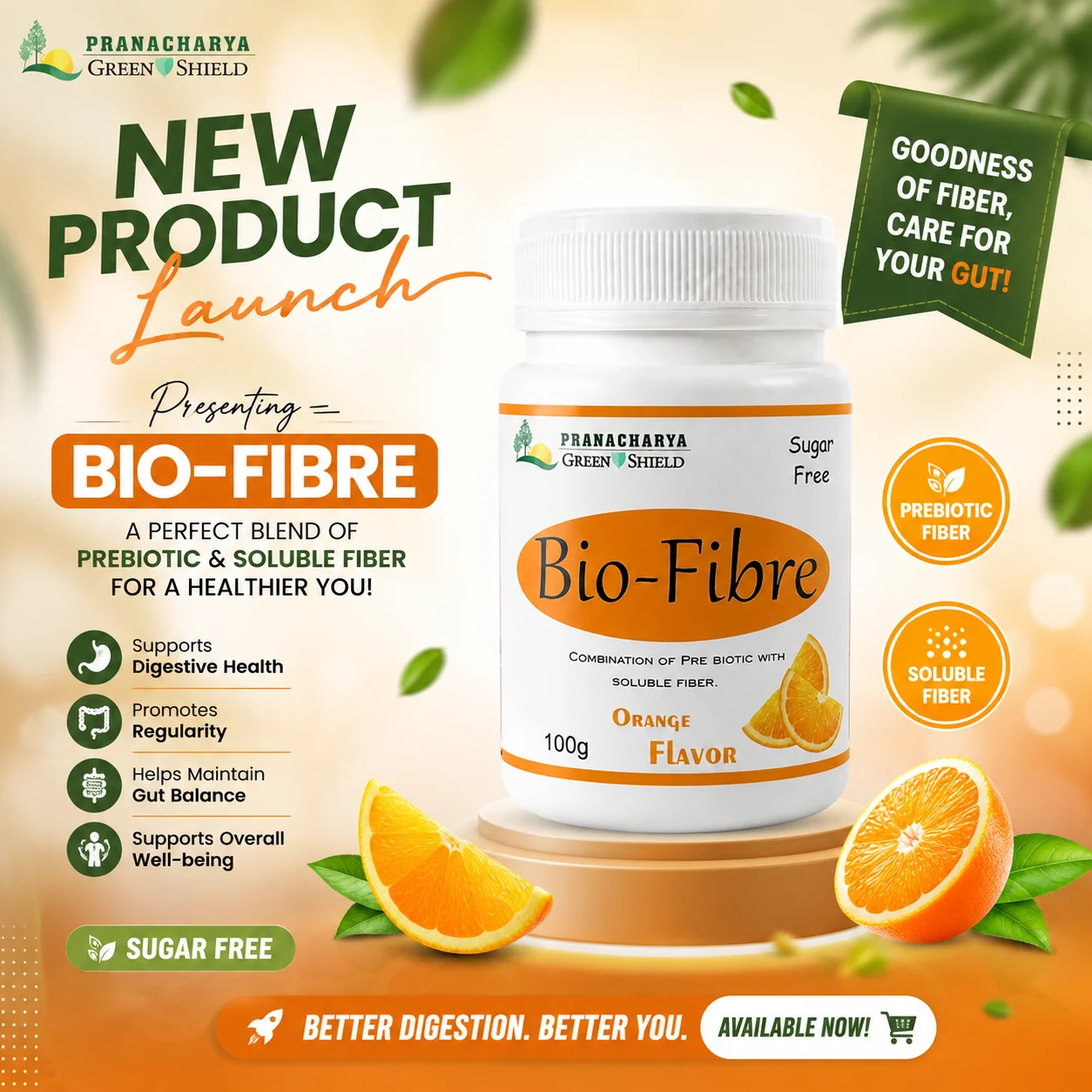
Maintaining an adequate amount of dietary fibre in your diet is essential to ensuring the health of your digestion and diet as a whole.
Aiming to add a bio fibre dietary supplement to your diet is a convenient way to do so, as, according to the provided information, a rounded teaspoon of the product contains 5.5 g of Bio Fibre, which can be used as a convenient addition to your daily diet.
It is, therefore, essential to include this product in your diet as it is a part of a balanced diet and a healthy lifestyle that would help you maintain regular bowel movements. Thus, it can be concluded that the product is a convenient addition to your diet that would help you improve your wellbeing.
What Is Bio Fibre?
Bio Fibre is a dietary fibre supplement which is marketed as a convenient daily fibre source. The product label indicates that it is a source of dietary fibre, a daily fibre supplement, and is gluten-free.
The manufacturer also recommends that each serving should consist of 1 rounded teaspoon (5.5 g) and that there are 18 servings per container. Thus, it can be integrated into the day-to-day nutrition.
It is noteworthy that each person’s dietary fibre needs may differ due to their age, eating patterns, and level of activities. Therefore, a fibre supplement should only complement a well-balanced diet which includes naturally fibre-rich foods.
Bio Fibre Nutrition
The nutrition information shown on the product label provides the following values per serving of 5.5 g:
| Nutrient | Amount per serving |
| Serving Size | 1 rounded teaspoon (5.5 g) |
| Servings per Container | 18 |
| Calories | 20 kcal |
| Total Carbohydrates | 5 g |
| Dietary Fibre | 3 g |
| Soluble Fibre | 2 g |
| Sugar | 0 g |
| Iron | 0.8 mg |
| Sodium | 5 mg |
| Potassium | 30 mg |
The label indicates 3 g of dietary fibre per serving, including 2 g of soluble fibre. It also lists 0 g sugar per serving.
Ingredients in Bio Fibre
The uploaded label image is not showing a complete ingredient list and as such we are unable to accurately identify what the fibre source or blend is, based on this label.

For accurate product information please ensure to copy the ingredient list from the products ingredients panel or front/side label where the ingredients are printed. It would be incorrect to assume that the Bio Fibre contains psyllium, isabgol, apple fibre, oat fibre or any other specific ingredient without further confirmation on the packaging.
Why Knowing the Ingredient Matters
Different fibre sources contain different characteristics. Some mainly soluble fibre, while others contain largely insoluble fibre or a combination of both. It is therefore important to check the manufacturers declared ingredients when selecting a fibre supplement.
Bio Fibre benefits
1. Supports Digestive Wellness
Dietary fibre is an essential component of a balanced diet that supports normal digestion. Making sure you get enough dietary fibre can help maintain normal bowl function.
2. Supports Bowel Regularity
Adequate dietary fibre alongside fluids can help promote normal bowel regularity. This fibre supplement can help those that struggle to get enough fibre in their daily diets.
3. Provides Soluble Fibre
Each serving provides 2 g soluble fibre, which when digested creates a gel like substance. The type of soluble fibre used in this product can vary as some have different functions within the body.
4. Helps Increase Daily Fibre Intake
For busy individuals who lack the time to get enough fibre in their diet, a fibre supplement provides a simple solution to help increase fibre consumption.
5. Zero Sugar Per Serving
According to the label, there are 0 g of sugar per serving. This product is a great option for those limiting added sugar in their diet.
6. Gluten-Free
This product is gluten free, as stated on the packaging. This is a great option for those looking for a gluten free fibre supplement.
Bio Fibre and a Healthy Diet
A fibre supplement is a useful addition to an overall healthy lifestyle, but should be taken in addition to eating a variety of naturally fibre rich foods, such as vegetables, fruits, legumes, wholegrains, nuts and seeds, as part of a healthy eating pattern. It is also important to drink plenty of water when increasing fibre in the diet.
Eating the right foods and getting regular physical activity are also key parts of a healthy lifestyle.