

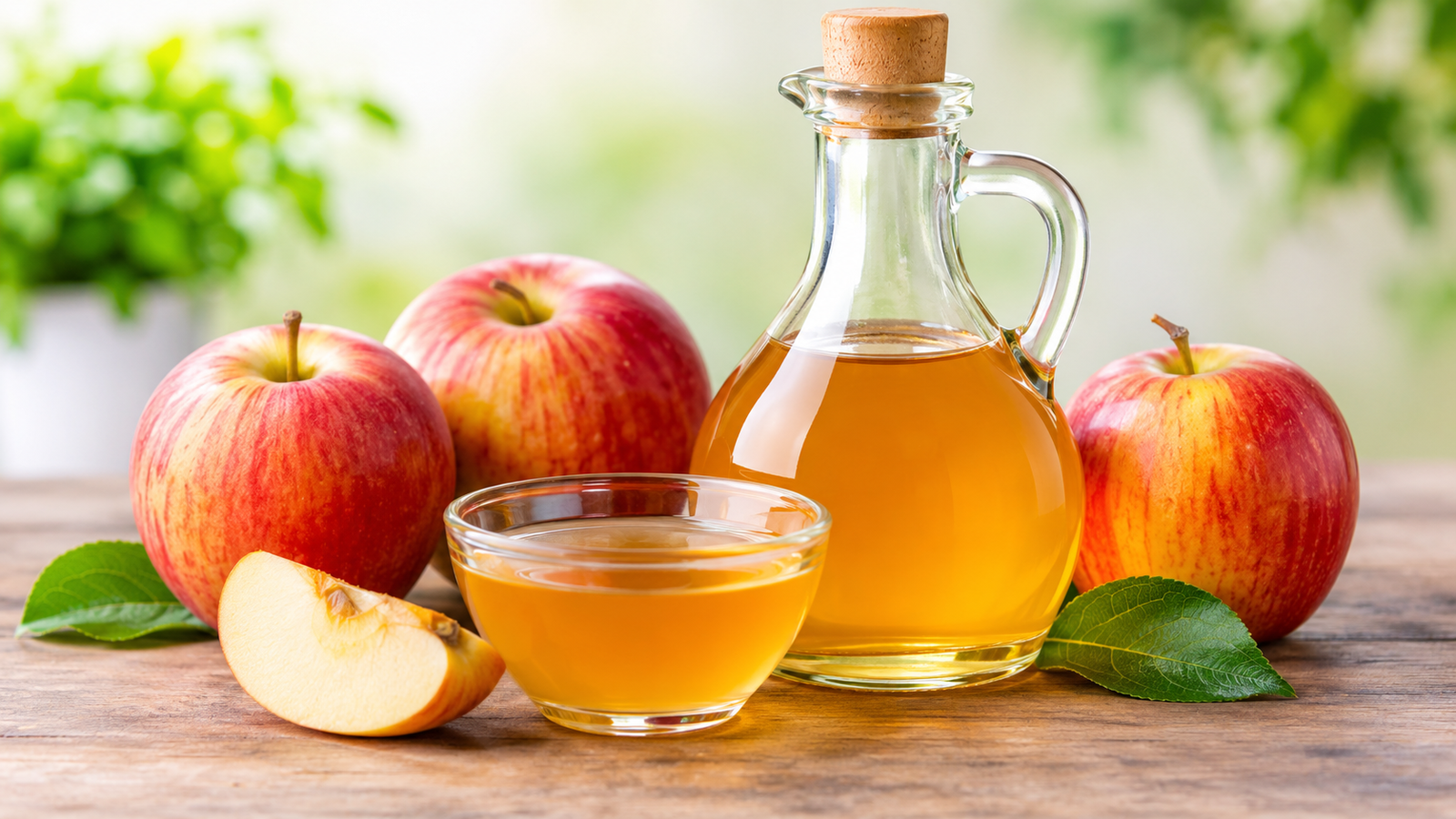
Apple cider vinegar is an extremely popular ingredient that can be found in many kitchens worldwide. It is produced from apples and has a tangy, sharp, sweet taste due to it being a fermented product. But did you know there are some interesting facts?
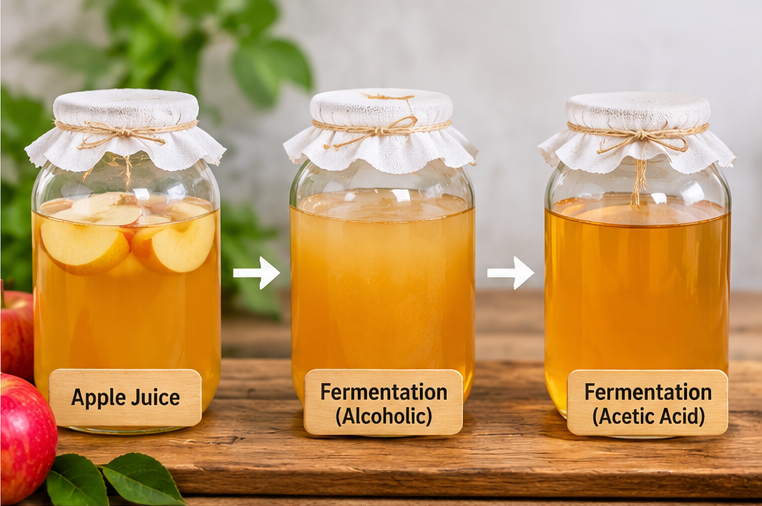
The natural sugars in apples are fermented in a two stage process to produce the liquid.
In this article we will learn what apple cider vinegar is, how it is made, what it contains, what the mother of vinegar is and how to use it in food.
What Is Apple Cider Vinegar?
ACV is a vinegar created through alcoholic and acetic acid fermentation of apple juice or cider.
As outlined in the US Food and Drug Administration guidance on vinegars, cider vinegars and apple vinegars are created through alcoholic fermentation followed by acetic fermentation of apples.
A final product containing an acidic liquid with a sharp flavour. The colour and appearance can differ depending on the type of apple used and the conditions of fermentation.
Unlike white vinegars, wine vinegars and malt vinegars, apple cider vinegars are made from different raw materials.
The name simply refers to the fact it is made from apples and through fermentation. There is no indication of any particular nutritional qualities or characteristics.
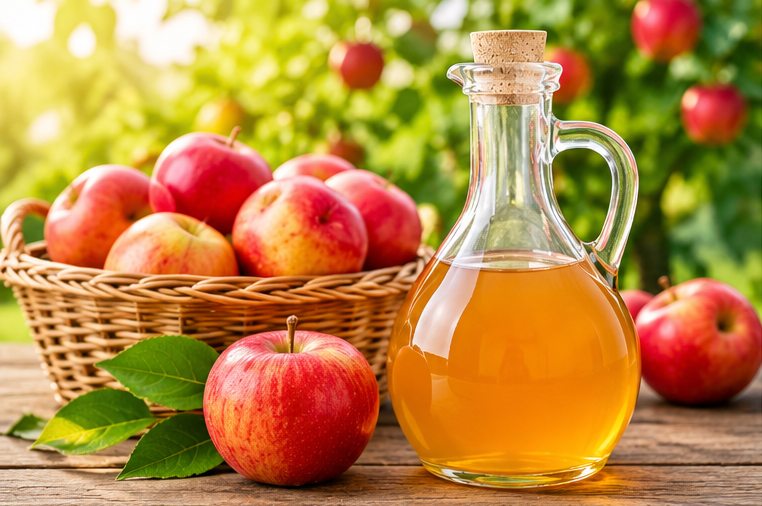
Botanical Source and Origin of Apple Cider Vinegar
The botanical source of apple cider vinegar is the apple.
Scientific name: Malus domestica
Botanical family: Rosaceae
Apple trees are grown in temperate regions around the world. The fruit is used for making various foods including juices, ciders, preserves and fermented foods.
As ACV is made from apples it can be produced in many countries across the world where apples can be sourced and fermentation can take place.
The type of apples used will vary depending on the type, ripeness, growing conditions and farming methods.
Therefore, the country the vinegar is produced in does not necessarily tell us where the apples came from.
When referring to a specific ingredient, we would need to look at where the actual apples came from.
How Is Apple Cider Vinegar Produced?
There are two main production stages when producing apple cider vinegar:
1. Creating Apple Juice / Cider
Apples are used.
The apples are processed to create either apple juice or cider. This will contain natural sugars. The composition of your juice will depend on what variety of apple you use and how it has been processed.
2. Alcoholic Fermentation
During the first stage of fermentation, yeast will convert any fermentable sugars into ethanol (commonly known as alcohol).
This is known as alcoholic fermentation.
This will produce alcoholic liquid to be used in the next stage.
3. Acetic Acid Fermentation
During the second stage, acetic acid bacteria will convert ethanol into acetic acid with the help of oxygen.
This is known as Acetic Acid Fermentation.
Acetic acid is the main acid in vinegar that gives it its distinctive sour flavour.
The type of microorganism, availability of oxygen and conditions during fermentation will affect how the product is produced.
4. Further Processing
Once fermentation has occurred the vinegar can then be further processed.
Depending on what type of product you want to make, you may choose to filter, clarify, pasteurise or use other methods to finish your product.
This will affect the final look and processing properties of your vinegar.
Depending on whether it is traditionally fermented or produced using modern methods, the production method can vary.
Not all products of apple vinegar will go through the same processes.
Natural Composition of Apple Cider Vinegar
Apple cider vinegar is predominantly made up of:
Water and Acetic Acid
Other compounds from the apples and fermentation process may be found.
Acetic Acid
This is the primary acid in vinegar.
This gives rise to the tart flavour of Apple Cider Vinegar.
The level of acetic acid will vary from product to product so should be determined by product specific testing or production information.
Water
This is the main liquid in vinegar.
The levels will vary depending on concentration of the final product and production method.
Other Organic Acids
There may be some organic acids from the apples and fermentation.
The levels will depend on the raw material and fermentation.
Leftover Sugars
Some Apple Vinegar products may have a small amount of leftover sugars.
This will depend on the original apple liquid and fermentation.
Naturally Occurring Apple Compounds
Apples contain natural phytochemicals such as phenolics.
Depending on the source material and processing methods used, the levels of these will vary within the apple acid.
Therefore, the composition of ACV is dependent upon the product.
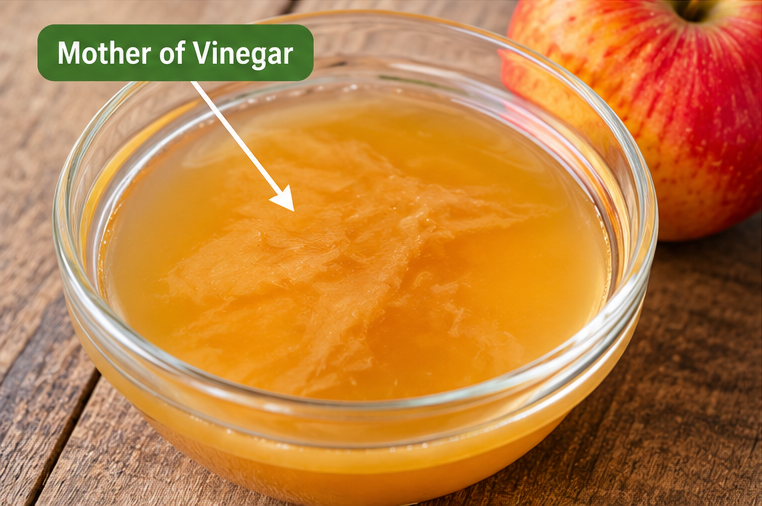
What Does Apple Cider Vinegar With Mother Mean?
An indication of the gel like substance that can form during the process of making vinegar.
It is formed due to the creation of a bio film by the bacteria used in the conversion of alcohol to acetic acid.
It can be seen as stringy, cloudy substance, or gel like substance. Or can be seen as particulates suspended within the vinegar.
More commonly found in raw and un-pasteurised vinegars but will depend on the type of vinegar produced and how it was processed.
Filtered vs. Unfiltered Apple Cider Vinegar
Filtered ACV has had its particulate removed.
Generally meaning it will be clear.
Unfiltered Apple Cider Vinegar will have more particulate and can look cloudy.
Unfiltered refers to how it’s been processed. This does not mean that you know what’s in it fully or that it has been made to a high standard.
Does Every Apple Cider Vinegar Contain Mother?
No.
There may be some development at this stage however any Mother present can be filtered out or altered during further processing.
Some products will have visible Mother while others won’t.
This doesn’t necessarily mean that the vinegar has been made via a fermentation process.
Common Forms of Apple Cider Vinegar
Apple cider vinegars can come in several varieties:
Filtered apple cider vinegar
This refers to ACV which has been filtered to reduce the amount of floating matter.
This refers to apple cider vinegar which has been filtered to reduce the amount of floating matter.
Unfiltered apple cider vinegar.
Refers to an apple cider vinegar that contains a higher amount of floating matter due to the fermentation process.
Mother apple cider vinegar.
A type of apple cider vinegar that contains the typical floating matter formed during the fermentation process known as the mother.
Pasteurised apple cider vinegar.
An apple cider vinegar that has been pasteurised.
Unpasteurised apple cider vinegar.
An ACV that has not been pasteurised.
Please note these are all referring to the process of the product.
Common Uses of Apple Cider Vinegar
Food Preparation
ACV is regularly used as an ingredient in salad dressings, marinades and sauces.
It provides an acidic flavour.
It can also be used in pickling solutions.
Food Manufacture
Apple cider vinegar is used in food as an acidic ingredient.
Whether this is suitable will depend on the formulation, acidity and processing requirements of the final product.
Manufacturers will look at the flavour, composition and compatibility with other ingredients.
Ingredient Development
ACV can be formulated into various food products.
Depending on what product it is being used in will affect what specifications and processing conditions are required.
What is used in one product may not be suitable in another. It is important to have product specific information for the ingredient.
Conclusion
Apple Cider Vinegar is an ingredient made from the fermentation of apples.
The tart flavour that this ingredient is known for is due to the high amounts of acetic acid it contains. However, the composition of ACV will depend on the type of apple it was made from, fermentation and processing.
There are several different types of apple cider vinegar such as filtered, unfiltered, pasteurised and vinegar with mother.
Understanding these can give you a good base knowledge of apple cider vinegar.
By looking at the source, fermentation and composition of ACV you will get a better understanding of what this ingredient is.
Note: This article is for general information and educational purposes only. It should not be taken as medical advice. We do not claim that ACVor products containing ACVwill help diagnose, treat, cure or prevent any disease or condition.